Showing posts with label Japanese. Show all posts

Sunday, April 6, 2014

Recipe: Dashi Stock

This stock is used everywhere in Japanese cuisine. This is my version that I’ve gotten to based on trial and error. Once you get the hang of making this stock, you can adjust the ingredients to fit your own taste.

Dashi Stock


Ingredients


3/4 cup of konbu (dried kelp) cut into 1 1/2 inch pieces
2/3 cup of enoki mushrooms, kept whole but packed to get a full 2/3 cup
1/2 cup of dried bonito flakes, packed
2 quarts + 1 cup of water

Directions


Bring water to a boil over high heat. Add all remaining ingredients and reduce to a simmer over low heat. Cover pot and simmer for approximately 1 hour. Drain through a fine mesh strainer, cheesecloth, or coffee filter.

This stock can be kept in the refrigerator for 4 - 5 days, in the freezer indefinitely.

Makes approximately 2 quarts (1/2 gallon) of stock.

Saturday, April 5, 2014

Prep Class: Dashi Stock

Dashi stock is to Japanese cooking as master stock is to Chinese cooking as our unique mirepoix of bell peppers, onions, and celery is to Southern cooking.  While the stock is starting to show up in dishes in restaurants all over the country, it is an essential ingredient to so many Japanese dishes that it's honestly quite impossible to do most Japanese recipes without it. The origins of the stock date back as far as the year 790 A.D. However, exactly how to make it became information trapped in the heads of generations of Japanese men and women who passed the what and how down through their own children as oral history. It wasn't until 1907 that a Japanese chemist, Kikunae Ikeda, embarked on a series of experiments to break down what actually went into the dashi stock of his own wife and mother. This discovery led to recipes finally being written down and became the catalyst for the convenience versions.

The goal of dashi stock is to achieve the critical "umami" flavor of Japanese cuisine - the aroma and taste of "meatiness" in a dish without actually using any meat ingredients. This is achieved through increasing the glutamate content of a dish - and dashi stock is very high in glutamates. While there are various dashi powders, starters, etc. that can be found in Asian markets here and are also popular in Japan, it's so ridiculously easy to make your own dashi stock that I recommend skipping the convenience versions.


Thankfully, the core ingredients for dashi stock have become more readily available in the US due to the rising popularity of Japanese and Japanese-influenced cuisine. The stock at its core contains only three ingredients - dried kelp (konbu), bonito flakes (dried fish skin), and filtered water. Some versions also add enoki, maitake, or shiitake mushrooms to further increase the umami element.

My next post will give you my version of dashi stock. I will then follow up with my versions of two popular Japanese recipes that require the stock.

Thursday, May 13, 2010

Recipe: Easy Sukiyaki

Ingredients:

2 1/2 lbs. boneless beef rib eye steak, sliced very thin
1 large sweet onion
3 tbsp. minced garlic
2 cups of crimini mushrooms, chopped
2 large carrots, sliced into 1/4" thick rounds
2 cups of Napa cabbage OR baby bok choy, pulled apart and washed
1 1/2 cups of soy sauce
2 cups of beef broth
1 cup of sake
1/2 cup of sugar
1/4 cup of rice vinegar
3 tbsp. of vegetable oil

Directions:

Whisk the soy sauce, beef broth, sake, sugar, and rice vinegar together into a large bowl and set aside.

In a large cast iron pan or cast iron dutch oven, heat the vegetable oil over medium-high heat. Add the onions, garlic, and carrots and saute until fragrant. Add the sliced beef and cook until the beef browns, stirring/mixing frequently. Add the mushrooms and cook until they soften. Pour all of the reserved sauce mixture in over the meat and vegetables. Cover, reduce heat to medium-low, and simmer for 15 - 20 minutes, stirring occasionally . Add the Napa cabbage (or bok choy), recover, and continue cooking for 10 - 15 minutes until beef is very tender and the cabbage is wilted. Remove all meat and vegetables to a separate serving bowl with a slotted spoon draining off the sauce. Then, pour about 1/3 to 1/2 of the sauce from the pan over the meat and vegetables in the serving bowl and serve. Best served over short-grain white rice.

Makes 6 servings.

Tuesday, August 25, 2009

Cocktail Recipe: Shochu Sour

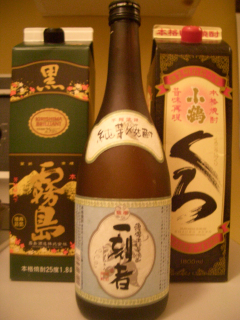
For those of you unfamiliar, "shochu" is a Japanese "vodka" made from either sweet potatoes, barley, or other starchy ingredients. My favorite is the one made from sweet potatoes - typically from the island of Kyushu where shochu originated. This particular cocktail is made from a great one from Kyushu I picked up on my recent trip to Japan. However, please don't confuse this with the Korean "sochu" - the Japanese version packs a significantly bigger punch...

Ingredients:

1.5 fl. oz. shochu
2 liberal splashes of freshly squeezed lime juice
4.5 fl. oz. soda water
Ice

Directions:

Fill a low ball glass with ice. Pour in the shochu, then soda water, and top with the lime juice. Mix gently with a stirring stick. Serve immediately.

Monday, August 10, 2009

Recipe: Gyuuniku Somen (Beef Noodle)

OK... so I'm not quite recovered from my Japanese venture last week, so I decided to dip again into their wonderful culinary pool and pull out this recipe for beef noodles...

Ingredients:

1 lb. of thinly sliced flank steak
3/4 cup of diced scallions, green and white parts (about 1/2 bunch)
1 tsp. cayenne pepper
1/4 cup soy sauce
2 tbsp. mirin (Japanese cooking sake)
1 tbsp. sugar
1 tbsp. olive oil
3 cups of cooked somen noodles (thin wheat noodles), cooking water reserved

Directions:

Cook somen noodles according to package directions, usually for about 3 - 4 minutes in boiling water removed from direct heat. Put the cooked noodles into deep bowls.

In a large skillet, heat the olive oil over medium-high heat. Add the flank steak and cook for about 4 - 5 minutes, turning frequently, until cooked to medium-rare. Add the scallions, cayenne, soy sauce, mirin, and sugar and mix well. Add the whole mixture to the noodles and then add 1 cup of the reserved noodle cooking liquid to each bowl. Serve immediately - the beef will cook through to medium well/well in the hot broth.

Serves 2.

Sunday, May 3, 2009

Recipe: Spicy Yakisoba

Ingredients:

1 bunch scallions, green and white parts loosely chopped
1 tbsp. chili sauce
1 tbsp. sesame oil
2 tbsp. mirin
2 tbsp. rice vinegar
3 tbsp. soy sauce
1 tbsp. minced ginger
1 tbsp. minced garlic
6 oz. soba noodles
2 tbsp. canola oil
1 lb. extra firm tofu, cut into 1 inch cubes
2 tbsp. katsuo mirin furikake (seasoned dried bonito and sesame seeds)

Directions:

Place 5 quarts of water on a boil. Add 1 tbsp. of salt to the water. Once water boils, add the soba noodles. Boil for 6 minutes, drain, then run under cold water to stop the cooking. Set aside.

Heat the canola oil in a wok over high heat. Once the oil is hot, add the cubed tofu. Cook the tofu until browned, turning constantly, for about 10 minutes. Remove tofu from the oil and sprinkle the katsuo mirin furikake over it. Set aside.

In the food processor, pulse all remaining ingredients until pureed. In a large bowl, place soba noodles, tofu, and sauce mixture. Mix thoroughly. Serve at room temperature.

Makes 4 servings.

Sunday, April 26, 2009

Recipe: Kitsune Udon

This is my variant of dish I've had many times in Japan, mostly in Osaka where it is popular. The broth is what makes this wonderful, hands down.

Ingredients:

5 cups low-sodium chicken broth
3 cups water
1/2 cup low-sodium soy sauce
1/2 cup of mirin (Japanese cooking sake)
1 cup of bonito flakes (Japanese dried fish skin/scales)
2 tbsp. minced garlic
2 tbsp. minced ginger
1 tsp. black pepper
3 star anise bulbs
4 tbsp. nuoc cham or other fish sauce
2 tbsp. yellow miso paste
1 tbsp. rice vinegar
1 tsp. chili oil
1 small onion, diced

16 oz. package of udon noodles
Water for noodles
16 oz. package of firm tofu
2 tbsp. canola or other neutral oil
Salt
1 cup of scallions, chopped

Directions:

Combine all ingredients except for tofu, oil, noodles, salt, and scallions into a large pot. Bring the pot up to a boil then reduce to a low simmer. Simmer the broth on low heat for about 90 minutes.

Drain all water from the tofu and cut it into one inch cubes. Sprinkle salt over all the tofu cubes. In a wok, heat the oil over medium-high heat. Place the tofu cubes into the hot oil, turning them frequently, searing until brown on all sides - about 5 - 6 minutes. Place tofu cubes on a paper towel lined plate and set aside.

Bring a large pot of water to boil. Put a little salt into the water. Place the udon noodles into the boiling water and cook for approximately 7 - 8 minutes (package directions sometimes recommend longer cooking times... ignore those directions for this recipe :)). Drain the noodles and then run ice cold water over them to shock them and stop the cooking.

Put 1 cup of cooked noodles into a large soup bowl. Place several cubes of tofu in the bowl. Ladle in 1 to 1 1/2 cups of the cooked broth. Top with some chopped scallions. Serve immediately.

(note: shredded poached chicken or thinly sliced halibut filet pieces can be substituted for tofu. If you use halibut, do not pre-cook it - place it into the prepared soup bowls raw as it will poach through in the hot broth).

Makes 8 servings.

Friday, April 3, 2009

Recipe: Petrale Sole with Ginger-Soy-Garlic-Scallion Sauce

Ingredients:

1/2 cup(s) panko
1 1/4 pound(s) petrale sole fillet(s)
1 egg
1/2 cup(s) soy sauce
1 cup(s) scallion(s), finely chopped
1 tbsp minced garlic
2 tbsp ginger root, minced
2 tsp kosher salt
1 tsp black pepper
1 tbsp miso paste
Cooking spray

Directions:

Preheat oven to 450. Line the bottom of a baking sheet with tin foil. Coat the tin foil lightly with cooking spray.

In a small saucepan, heat the soy sauce, scallions, garlic, ginger, and miso paste together over low heat, stirring occasionally.

Coat the fish with the salt and pepper. Whisk the egg thoroughly in one bowl to make an egg wash. In another bowl, put in the panko. Coat thoroughly first in the egg wash then coat with the panko. Fish does not need to be fully covered with the panko - just a light crusting. Place the coated fish onto the baking sheet. Spray the top of the filets with a bit of the cooking spray. Bake in the oven about 6 minutes until the fish is cooked through.

Plate the fish and top with the sauce.

Makes 4 servings.

Friday, March 13, 2009

Recipe: It Ain't Your Mama's Chicken Katsu!

OK... so it ain't my mama's either (she's from Georgia like me!), but if your mama is Japanese, it ain't like hers either ;) But it's GOOD!!! Serve with katsu sauce, of course!

Ingredients

1 cup of panko (Japanese bread crumbs)
1/4 cup flour
1 egg
1/8 cup of milk
3 tsp. garlic powder
3 tsp. onion powder
2 tsp. paprika
1 tsp. white pepper
1 tsp. salt
2 tbsp. grated parmesan cheese
1 1/2 lbs. boneless/skinless chicken breast filets
2 cups canola oil (for frying)

Directions

Cut breast filets into approximately 3 oz. portions (can usually be accomplished by cutting filets from the grocery store in half).

Heat canola oil in a large frying pan over medium-high to high heat.

Combine panko, flour, spices, salt, and parmesan cheese together in one bowl. In another, whisk the egg and milk together. Dip the breast filets into the egg wash first, then into the panko mixture, coating the filet thoroughly and as thickly as possible with the mixture. Working in batches, place into the hot oil frying for approximately 3 minutes on each side. Have a large paper bag (Whole Foods bags work well ;)) or line a baking sheet at least 4 paper towel layers thick ready to place the fried filets on to drain oil. Serve immediately!

Serves 4.

Friday, April 25, 2008

My Love of Japan

The gracious people and their impeccable politeness, the crazy teenagers and their whacked fashion on Takeshita-Dori in Harajuku, the insanely large palaces of European luxury on Omotesando and in Ginza, miniature gadgets we’ll never have at home in Akihabara, the gargantuan train stations where you always seem to be going against the herd, the endearing giggles one elicits when they mis-speak their Japanese - but most of all the amazingly complex and wonderful cuisine - keeps bringing me back to Japan. While the trip this week was all business, I did get to have a bit of fun and meet some wonderful new people in the process. I treasure every trip I get to make to Japan and those that know me know of my love for the country. But, back to the food...

I have several recommendations if you ever find yourself in Tokyo and, specifically, around the very hip neighborhood of Shibuya, here are some not to miss places:
  • Gonpachi - great and diverse selection of yakitori in a jovial atmosphere; the beef short rib and duck marinated in wasabi yakitori are not to miss!
  • Horaitei - on the top floor of the Tokyu Center department store you will find some of the best katsu ever; go for the katsu donburi at lunch - excellent!
  • Paradise Macau - a tropically themed establishment that serves excellent Laotian and Indonesian dishes; they have a very good and inexpensive selection of Aussie wines by the glass
  • Asahi Sushi - take-out sushi on the restaurant avenue level of the Shibuya Mark City office complex; great for a quick lunch with an impressively diverse selection of fresh fish, many of which you won’t recognize, so be adventurous
  • Legato - swanky establishment on the floor above Gonpachi; floor to ceiling windows and a jazz pianist make this a great spot for dessert or an after dinner drink
  • Keivi - a tiny little traditional gay bar just around the corner from Shibuya JR station; much better than average snacks included with your cover charge; tell Mama-san Toshi I said hello!
If you have not yet been to Tokyo, go - our dollar may be in the crapper, but their yen is persistently in the crapper so it is so much more affordable than going to Europe or even New York. There’s no other city in the world quite like it!

Sunday, April 20, 2008

Recipe: Miso Poached Halibut

As I am sitting on United 837 somewhere over the Pacific on my way to Tokyo for the week, I thought I would share a Japanese-themed recipe that I made up a few weeks ago. It’s very simple, light, and tasty. I know it’s been a while since I’ve posted - school has worn me down over these last several weeks, unfortunately. In any case, if you do make this, let me know! Enjoy!

Ingredients:

2 1/2 lbs. of halibut filets
1/2 cup of dark miso paste (if you can’t find dark, any miso paste you can find will do)
2 cups of low-sodium soy sauce
4 cups of water
1 1/2 cups of fresh green onions, finely chopped (green and white parts)
1 cup of fresh cilantro, finely chopped
2 tbsp. of rice vinegar
1/2 cup of sake
3 star anise bulbs
2 tbsp. of minced garlic
2 tbsp. of minced ginger

Directions:

In a large chef’s pan or dutch oven, combine all ingredients except for the halibut into the pan making sure to distribute the miso paste well among the liquid. Bring to a boil then reduce heat to a low, cover the pan, and simmer for 45 minutes to one hour to let the flavors fully combine. Then, submerge the halibut filets into the liquid and re-cover the pan. Poach the filets for about 10 - 15 minutes. Remove and serve in a bowl with a bit of the broth from the pan poured over.

Makes 4 - 6 servings.

Wednesday, March 5, 2008

Recipe: Drunken Beef

I’ve been to many Chinese restaurants who have “drunken chicken” or “drunken fish” on their menu, and you likely have, too, but this recipe is nothing like that (except for the fact that the recipe does use booze ;)). I derived this from a dish I had when I was in Japan - I know this is not exact, but it’s pretty darn close and really darn good.

Ingredients:

1 1/2 lb. thinly sliced flank steak
1 cup low-salt soy sauce
1 1/2 cup good sake
3 tbsp. minced garlic
2 tbsp. minced ginger
2 tbsp. sugar
1 bunch of chopped scallions (green and white parts)
1 tsp. cumin
1/2 tsp. ground black pepper
1/2 tsp. ground white pepper
2 tbsp. hazelnut oil (or almond oil)

Directions:

Combine soy sauce, sake, 2 tbsp. of the garlic, ginger, sugar, scallions, and cumin into a large bowl. Mix well. Add steak to bowl and marinate for at least 4 hours or overnight.

Heat the hazelnut oil in a wok over medium-high heat. Once the oil is hot, add the steak from the marinade, the remaining 1 tbsp. of garlic, and the white and black pepper. Stir the steak constantly in the wok to prevent sticking. Once the steak has browned on all sides, add 1/2 cup of the marinade mixture to the wok, lower heat to medium, and continue to cook until most of the liquid has cooked out, stirring constantly. Remove from heat immediately and transfer to serving plate. Serve over sticky white rice.

Serves 4.

Tuesday, February 5, 2008

Recipe: Teriyaki Steak Burgers

These were just yummy! They are good grilled or pan-seared (I grilled mine) and have lots of flavor. Cut the sriracha amount in half if you can’t take the heat...

Ingredients:

2 tbsp. soy sauce
1 tbsp. sugar
1 tsp. garlic powder
1 tsp. onion powder
1 tsp. rice vinegar
1 tsp. dry sherry
1 tsp. sesame oil
1 tbsp. sriracha (Vietnamese hot sauce)
1/4 cup bread crumbs
1 lb. of ground sirloin

Directions:

Combine all ingredients in a large mixing bowl. Using your hands, knead all of the ingredients together evenly. Make 4 equal patties from the mixture and place on wax paper. Heat the grill (or sautee/grill pan) to medium-high heat. Place the burgers on the grill and cook for 4 - 5 minutes on each side, turning at least once for each side. Use your spatula to press down on the burgers to flatten them as they cook. Serve on onion rolls with sharp cheddar cheese or whatever condiments you like.

Makes 4 servings.